KABIR: Walking with the Word
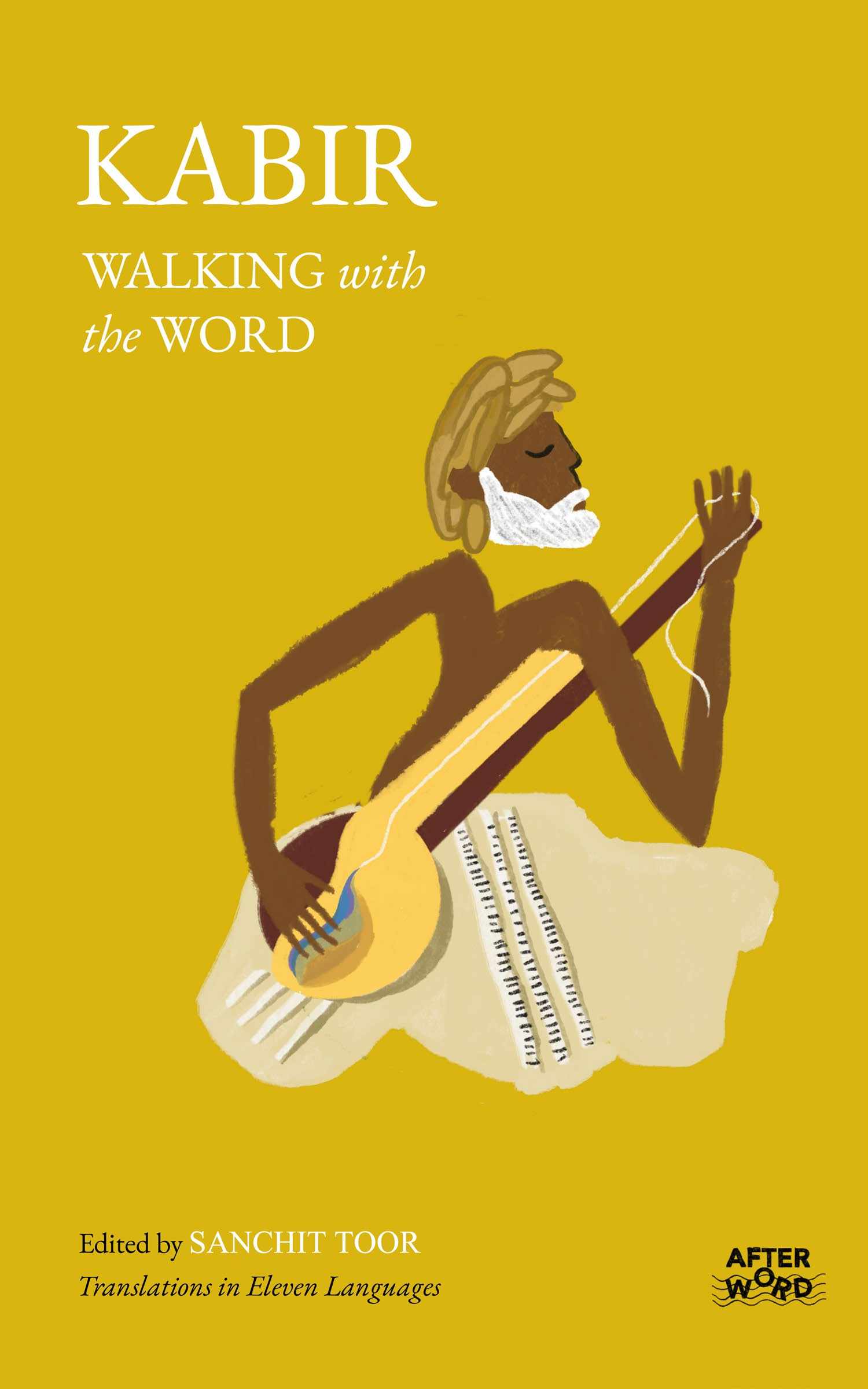
Description
Traversing the landscapes of oral and textual literary-performative traditions, the saint-poet Kabir (1398–1518) lives on in quotidian memory and imagination through recalling, enjoying extraordinary popularity. In a sense, Kabir has always been in translation, on the move, from one language, source, medium, tradition, and region to another. In response to the dynamism of so many, sometimes distinct, Kabirs—his representations in/and the compositions attributed to him—there has been a significant shift in scholarship from the erstwhile question of finding an ‘original’ to examining the multiplicity of voices and images. While the varying recontextualisation of Kabir’s words in the domain of the oral and the early textual is mapped and studied by situating it in the relevant meaning-making contexts, translations (in the strict sense of the word) of Kabir’s poetry, especially in English, have often been met only with questions on their fidelity, or lack thereof, to the original. However, translations don’t just replicate and reproduce identities and histories; they re-present and re-construct them—comparatively and collaboratively alike—and should be read and assessed thus. This multilingual volume, wherein translation is the fact and the faith, is an experiment in the possibility and impossibility of translation—not towards exhaustive ends but towards affective afterlives. Walk along, will you?

Write a comment ...